
In the dynamic realm of advertising, where grabbing attention is the key to success, LED displays have emerged as a revolutionary tool. These high – tech, visually captivating screens are transforming the way brands communicate with their target audiences, offering a level of interactivity and impact that traditional advertising mediums simply cannot match.
Unparalleled Visual Appeal
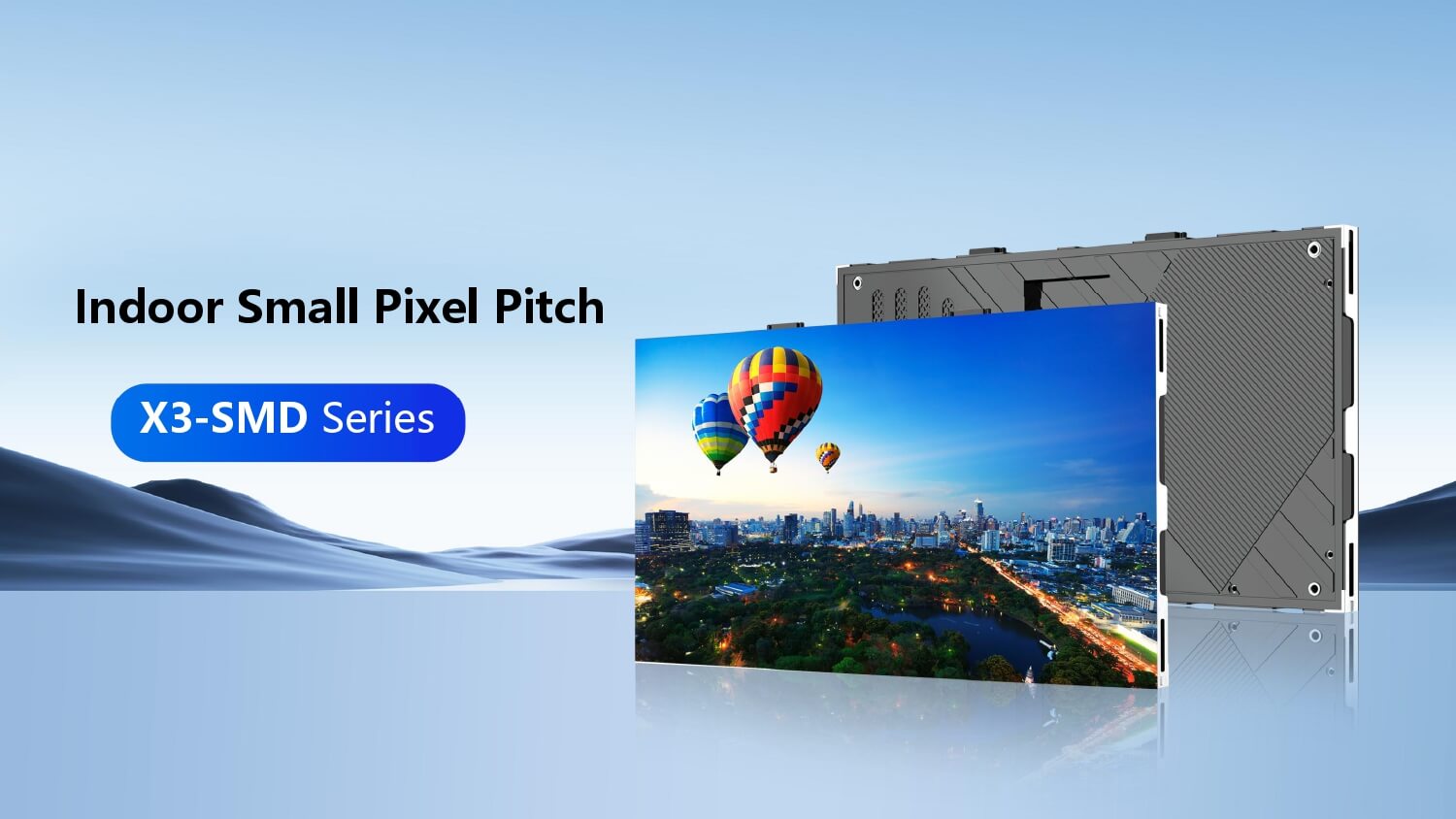
One of the most significant advantages of LED displays in advertising is their stunning visual quality. With high – resolution capabilities, LED screens can present images and videos with exceptional clarity, vibrant colors, and sharp contrasts. Whether it’s a large – scale outdoor billboard or a smaller indoor display, the vividness of LED technology ensures that the advertising content stands out from the crowd. For example, in a bustling city center, an LED billboard can display lifelike product images and dynamic animations, instantly drawing the eyes of passersby. The ability to showcase high – definition content allows brands to convey their messages in a more engaging and memorable way.
Flexibility and Customization
LED displays offer a high degree of flexibility and customization, which is crucial for effective advertising. Advertisers can easily change the content on the screens to suit different campaigns, seasons, or target demographics. For instance, a retail store can use an LED display inside the store to promote new arrivals during the day and then switch to advertising special evening sales after business hours. Moreover, LED screens come in various shapes and sizes, from flat panels to curved and even transparent displays. This versatility enables advertisers to fit the displays into different physical spaces, whether it’s a small storefront window or a large stadium facade.
Real – Time Interaction
In the era of digital marketing, real – time interaction is becoming increasingly important. LED displays can be integrated with sensors and interactive technologies to create engaging experiences for consumers. For example, some LED displays in shopping malls are equipped with touch – screen capabilities, allowing customers to interact with the advertised products, view detailed information, and even make purchases directly. Additionally, social media integration can enable LED displays to show real – time user – generated content, such as customer reviews and photos, creating a sense of community and authenticity around the brand.
Cost – Effectiveness in the Long Run
Although the initial investment in LED displays may be higher compared to traditional advertising methods, they offer significant cost – effectiveness in the long run. LED technology is energy – efficient, consuming less power than traditional lighting sources used in advertising. This results in lower electricity bills over time. Moreover, the durability of LED displays means that they require less maintenance and have a longer lifespan, reducing the need for frequent replacements. Advertisers can also save on printing costs as they no longer need to produce physical posters or banners for each campaign.
Enhanced Brand Awareness and Recall
The combination of visual appeal, interactivity, and customization offered by LED displays leads to enhanced brand awareness and recall. When consumers are exposed to engaging and memorable advertising content on LED screens, they are more likely to remember the brand and its message. This can translate into increased brand loyalty and higher sales. For example, a well – designed LED advertising campaign for a new beverage can create a buzz around the product, encouraging consumers to try it out.
In conclusion, LED displays have become an indispensable tool in the advertising industry. Their ability to deliver stunning visuals, offer flexibility and customization, enable real – time interaction, and provide long – term cost – effectiveness makes them a powerful choice for brands looking to stand out in a crowded marketplace. As technology continues to advance, we can expect LED displays to play an even more prominent role in the future of advertising.